

My name is Samantha, and I am a 20-year-old student from Ecuador. I currently live in Ambato, a city that has influenced my values, goals, and the way I see life.
The people I love are a fundamental part of my life, and my parents especially play a huge role in who I am. They have always supported my education, encouraged my dreams, and taught me the importance of responsibility and kindness. Their guidance motivates me to keep moving forward and to build a future that makes them proud.
One of my biggest dreams is to travel the world. I want to explore different cultures, meet new people, and visit places that inspire me. I believe that traveling helps us grow, understand others better, and discover new parts of ourselves.


ANALYSIS OF PROCRASTINATION IN UNIVERSITY STUDENTS

Academic procrastination is the habit of delaying school tasks such as studying, doing homework, or preparing projects, even when students know these activities are important. This behavior often appears when students feel stressed, unmotivated, or afraid of making mistakes. As a result, they leave tasks for the last minute, which increases anxiety and reduces the quality of their work.
https://es.educaplay.com/recursos-educativos/26915805-procrastination_in_academia_true_false.html
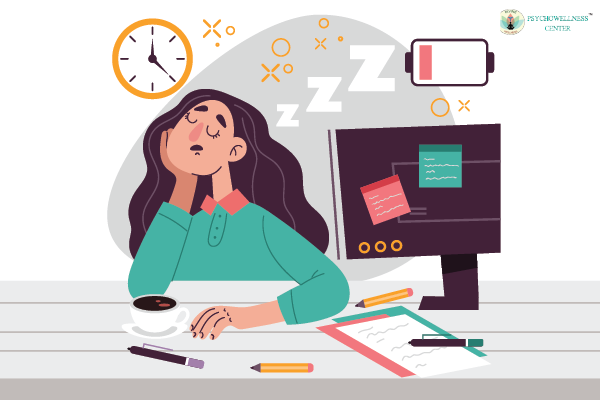


Worry and anxiety are two common emotional effects of academic procrastination. When students delay their tasks, they often start to worry about not finishing on time, getting low grades, or disappointing others. This constant worrying increases anxiety, which can cause stress, difficulty concentrating, and feeling mentally overwhelmed.
https://es.educaplay.com/recursos-educativos/26916638-time_perspective_vocabulary_wheel.html

Fear of failure is one of the main emotional causes of academic procrastination. When students are afraid of making mistakes, getting a bad grade, or not meeting expectations, they often avoid starting their tasks. This fear creates stress and self-doubt, making the assignment feel even harder.
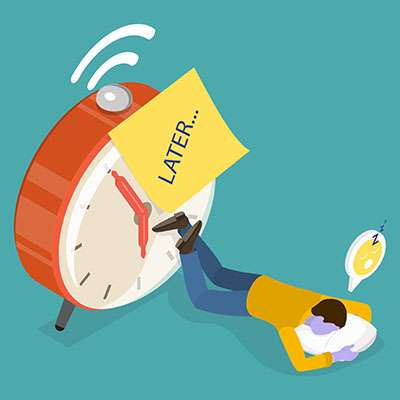

Indirectly, excessive use of electronic devices also contributes to procrastination. Instead of helping, technology often becomes an obstacle that increases procrastination.
https://es.educaplay.com/recursos-educativos/26918115-procrastination_solutions_crossword.html


Schmidt, H. G., Baars, G. J. A., Hermus, P., van der Molen, H. T., Arnold, I. J. M., & Smeets, G.
(2022). Changes in examination practices reduce procrastination in university students.
European Journal of Higher Education, 12(1), 56–71.
https://doi.org/10.1080/21568235.2021.1875857
Comentarios
Publicar un comentario